
Can Meditation Help with PTSD Recovery? A Gentle Guide to Finding Calm and Safety Again
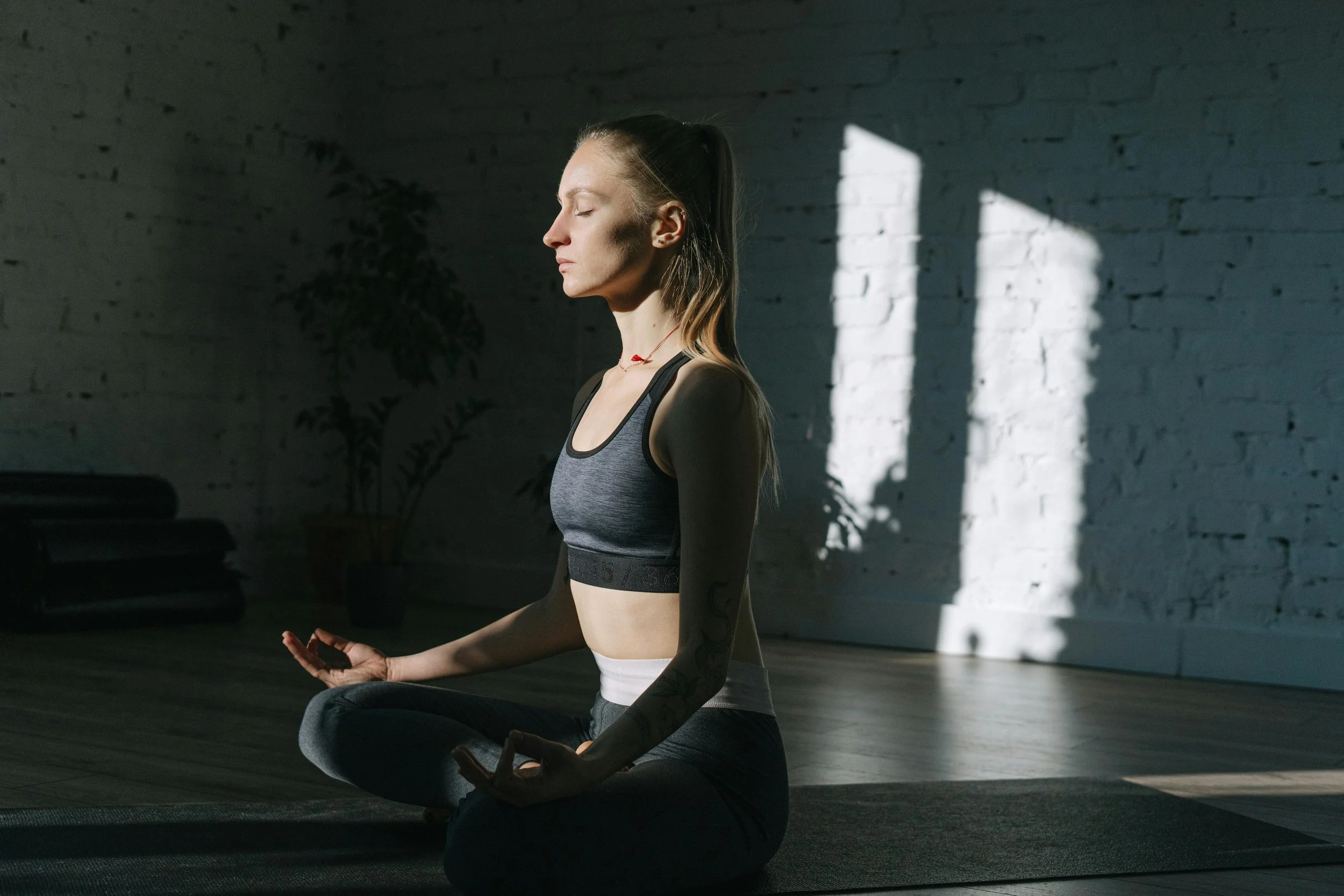
Woman meditating in a sunlit room finding stillness and calm
If you’re living with PTSD and constantly struggling with panic attacks, anxiety, hypervigilance, overwhelming thoughts, emotional numbness, dissociation, or sleepless nights, you are not alone.
Post-traumatic stress disorder (PTSD) can deeply affect the way you experience everyday life. It can leave your nervous system feeling constantly alert, exhausted, and emotionally unsafe, even when there is no immediate danger around you.
Therapy and medication are the most important parts of PTSD recovery. But alongside professional support, many people also look for additional tools that can help them feel more grounded and emotionally supported during difficult moments. This is where meditation can help.
Meditation is not about forcing yourself to “stay positive” or pretending your trauma never happened. It is simply a gentle practice that helps you reconnect with your body, calm your nervous system, and return to the present moment when everything feels hard.
There are many misconceptions about meditation. Some people believe it is only for spiritual people or that you need to completely silence your thoughts for it to work. But meditation is for everyone, especially for people whose minds rarely feel quiet.
That said, meditation is not a replacement for professional mental health support. PTSD is a serious mental health condition, and self-help practices alone are not enough. It works best as a supportive tool alongside therapy, professional care, and medication.

Person sitting alone on the floor feeling overwhelmed and withdrawn
How Does PTSD Affect You?
Post-traumatic stress disorder (PTSD) is a mental health condition that can develop after experiencing or witnessing a traumatic event. Trauma can come from many different experiences, including abuse, violence, accidents, natural disasters, the sudden loss of a loved one, or any life-threatening situation.
It affects both the mind and the body. Trauma impacts the brain and the stress-response system, including cortisol levels, which are connected to how the body responds to stress. This is one of the reasons living with PTSD can feel physically exhausting. The nervous system remains stuck in survival mode, making it difficult to relax or feel emotionally safe.
Many people with PTSD experience:
Hypervigilance or constantly feeling on edge
Panic attacks and anxiety
Flashbacks or intrusive memories
Emotional numbness or dissociation
Difficulty sleeping or frequent nightmares
Intense emotional reactions such as fear, sadness, anger, or shame
Difficulty concentrating or staying present
Because it affects everyone differently, symptoms can vary from person to person. Some people become emotionally reactive, while others shut down. Some struggle with fear and panic, while others feel detached from themselves.
No matter how it shows up for you, living with it can make everyday life feel like a constant struggle.

A man in a therapy session with a mental health professional
For many people, especially after a recent diagnosis, it can feel more stressful trying to understand their triggers or emotional spirals. This is why professional support matters.
Therapy is considered one of the most effective treatments for PTSD because it helps address both symptoms and the root causes. Different therapeutic approaches, such as Cognitive Behavioral Therapy (CBT), Exposure Therapy, and Eye Movement Desensitization and Reprocessing (EMDR), can help people process trauma safely and gradually.
Medication can also help manage symptoms like anxiety, insomnia, or panic attacks. When paired with therapy, it often provides additional emotional stability during the healing process.
Healing from PTSD is rarely linear, and there is no single solution that works for everyone. However, supportive practices like meditation can become valuable tools alongside professional treatment.
Meditation cannot erase trauma, but it can help you feel more aware and emotionally regulated during difficult moments—whether that is in the middle of an anxiety spiral at 1 a.m. or simply on a hard day when everything feels overwhelming.
Can Meditation Help with PTSD?
When you live with PTSD, your nervous system becomes trapped in a fight, flight, or freeze response. Even small situations may feel threatening because your brain is trying to protect you from danger.
This constant state of alertness can leave you feeling exhausted and unsure of how to relax. And when your nervous system has been in survival mode for a long time, peace can start feeling unfamiliar.
Meditation gently brings your awareness back to yourself instead of keeping you trapped in flashbacks, anxious thoughts, or emotional spirals. It teaches you to pause, breathe, and reconnect with the present moment when everything inside your mind feels loud.
For someone living with PTSD, this can be incredibly powerful because when you survive something traumatic, you rarely feel safe. You constantly look for something or someone that can make you feel grounded again. And one of the most powerful things meditation can do is help you slowly realize that you can become that safe place for yourself, too.
It is a grounding practice that helps remind the nervous system that danger is not happening right now. Over time, it creates a greater sense of internal safety.
Of course, this does not happen overnight. It takes patience, consistency, and finding practices that genuinely support you. It is about showing up for yourself gently and consistently, even on difficult days.
Meditation can support PTSD recovery in several ways:
It helps reduce anxiety by interrupting overwhelming thought patterns and emotional spirals, helping you slow down instead of feeling consumed by everything at once.
It can improve sleep quality and relaxation, especially for people struggling with insomnia, restlessness, or nightmares. Including meditation in your nighttime routine may help calm the mind before you sleep.
It helps build emotional resilience by teaching you how to observe thoughts, emotions, and triggers without immediately reacting to them.
PTSD can often bring feelings of shame, guilt, and self-blame. Meditation encourages self-compassion by teaching you how to be kind and gentle with yourself instead of constantly criticizing yourself for what you’ve been through.
Meditation helps support emotional regulation and stress management in people living with PTSD, according to research done by Veterans Affairs (VA) and other studies.
And while it can be deeply supportive, not every practice works the same way for everyone. PTSD affects people differently, which means some techniques that feel calming for one person can be overwhelming for another.
The goal is not to force yourself into a “perfect” meditation practice, but to gently discover what helps your mind and body feel safer, calmer, and more supported.
Below are two beginner-friendly meditation techniques that can be supportive during your healing journey.
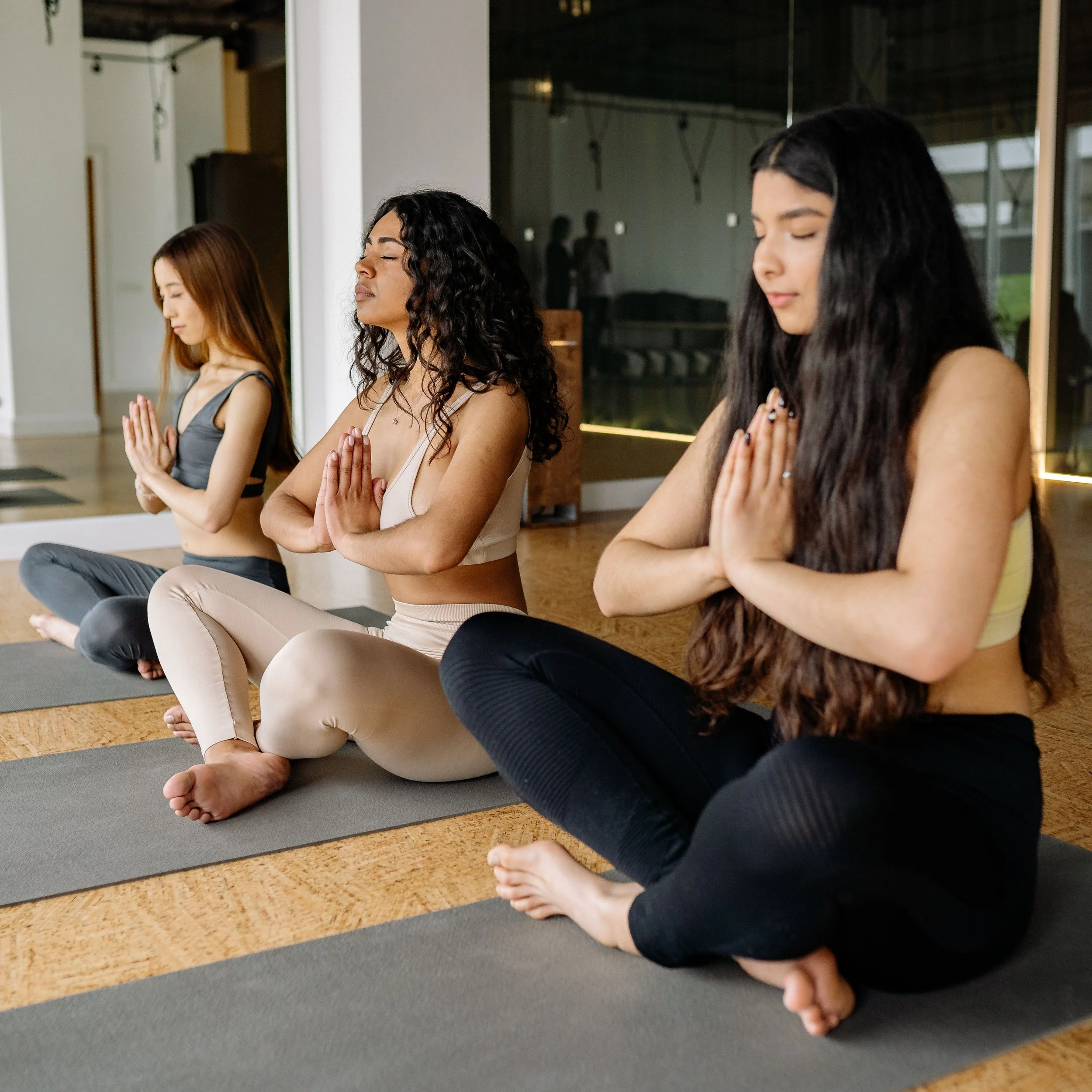
Women practicing meditation together in a group class
Mindfulness Meditation For PTSD
Mindfulness meditation is one of the most widely practiced forms of meditation for stress, anxiety, and emotional regulation. It focuses on bringing awareness back to your breath, thoughts, and physical sensations in your body.
It is a simple meditation practice that you can do almost anywhere. It can help interrupt emotional spirals by guiding your attention away from flashbacks, overwhelming thoughts, or panic attacks and gently bringing it back to the present moment.
Rather than suppressing your emotions, mindfulness teaches you how to observe them without immediately reacting to them with fear or judgment.
This can feel challenging at first, especially if sitting quietly brings up difficult emotions or memories. That is why it is important to approach mindfulness gently and without pressure.
Over time, this practice can help create more emotional space between you and your thoughts. You slowly learn to let go of what is no longer serving you—the thoughts, fears, and emotional weight that keep pulling you back into the negative spiral.
You begin to understand that your trauma, memories, or intrusive thoughts are experiences you have lived through, not your entire identity.
For some people, mindfulness meditation can feel emotionally intense at the beginning. If the practice becomes overwhelming, it is always okay to pause or seek support from a professional meditation teacher. You do not have to figure this out alone.
How to Practice Mindfulness Meditation
Find a quiet and comfortable place where there are no distractions.
Sit comfortably or lie down, depending on what feels best for your body.
Take a slow, deep breath in through your nose and gently exhale. Then let your breathing settle into a natural rhythm.
If it feels comfortable, place the left hand on your chest and the right on your stomach.
Notice your breath. Try to feel your heartbeat and the rise and fall of your chest and stomach as you breathe.
But if focusing on your breath feels overwhelming, you can also bring your attention to other anchors like physical sensations in your body, sounds around you, or something calming in your surroundings. Use them as an anchor to gently bring your awareness back to the present moment.
The goal is not to “empty your mind.” The goal is simply to notice your thoughts and gently return your attention to your chosen anchor whenever your mind drifts.
Your mind will wander a lot at the beginning, so try not to judge yourself or become frustrated. That is completely normal.
Continue for 5–10 minutes or longer if it feels supportive.
When you are ready, gently open your eyes and notice how you feel.
Take one final deep breath, sigh it out, relax your shoulders, and set a gentle intention for the rest of your day.
And remember, you are not here to push yourself but instead to sit with yourself gently. As Devon, one of the meditation teachers at WITHIN, always says to her students, “Stay within your window of tolerance. If you ever need to open your eyes or shift your attention to a different anchor, trust yourself. No one knows what works for you better than you.”
Mindfulness can feel intimidating at first, but remember that it is simply a practice of returning home to yourself with patience and compassion, again and again.
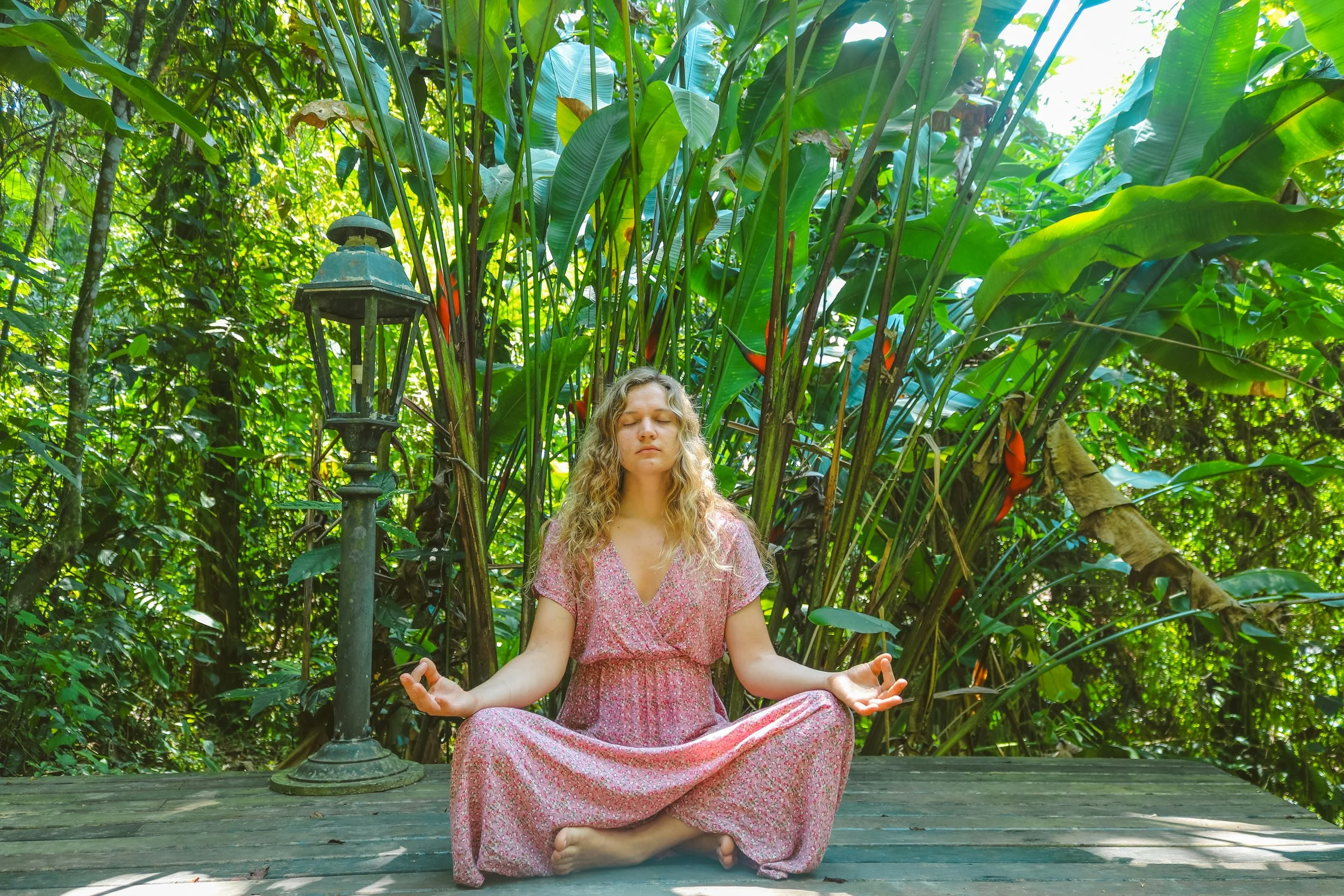
Woman meditating outdoors in a serene natural setting
Guided Visualization Meditation for PTSD
If mindfulness meditation feels overwhelming at first, and your thoughts feel too loud or difficult to separate from reality, guided visualization meditation can be a gentle place to start.
It involves imagining calming places, memories, or scenarios that help your body and mind feel safe and grounded.
Unlike mindfulness meditation, where the focus stays on the breath and present-moment awareness, visualization gives your mind a comforting image or environment to focus on.
For people with PTSD, this can feel especially grounding. Visualization works by engaging the senses and helping the nervous system shift away from panic, fear, or emotional overwhelm.
You might imagine:
A peaceful beach
A serene forest
A childhood memory where you felt safe
A cozy room filled with warmth and comfort
A place from your favorite book or movie
Any environment that brings you feelings of calm and joy
The more sensory details you involve, the more immersive and grounded the experience can become.
Try to imagine the sound of waves, the feeling of cool air on your skin, the warmth of sunlight, or the smell of rain, grass, or the ocean.
Visualization gives you an emotional anchor to return to whenever things around you feel uncertain.
How to Practice Guided Visualization Meditation
It takes time to practice visualization if you have never done it before, so try to be patient with yourself while learning.
Find a comfortable position where your body feels relaxed and supported. You can sit, lie down, or practice in whatever position feels most comfortable.
Take a few slow breaths to help your body settle.
Set an intention for your meditation. Maybe you want to feel calmer, safer, or more grounded.
Choose a place or memory that evokes those emotions.
Close your eyes and slowly begin visualizing the environment.
Notice the details around you—colors, sounds, textures, temperature, or scents.
Imagine yourself fully present in that safe space.
Notice what you are doing there. Are you alone or with your loved one? Are you walking near the water, sitting under trees, or simply resting peacefully?
Continue breathing slowly and naturally as you stay connected to the visualization.
If your thoughts begin to spiral, gently return your attention to the scene.
Stay in the practice for 5–40 minutes, depending on what feels supportive for you.
When you are ready to finish, slowly bring awareness back to your surroundings.
Move your fingers and toes gently, take a deep breath, and notice how you feel.
Sit with the feeling for a moment and notice what worked for you so you can continue building a practice that feels supportive.
And if it feels comforting, give yourself a gentle hug by wrapping your arms around yourself for showing up today.
Visualization can take practice, especially if your mind feels restless or distracted at first. The goal is not to do it perfectly. The goal is simply to create moments where your body feels calmer, safer, and more supported.
You Don’t Have to Figure This Out Alone
Healing from PTSD can feel exhausting, confusing, and emotionally overwhelming at times. Some days may feel heavier than others, and healing rarely happens in a straight line.
Whether it is through mindfulness meditation, guided visualization meditation, breathing practices, or simply taking a few moments to slow down, every small step toward self-support matters.
If you want to start with guided meditation—where someone gently walks you through the process during moments that feel emotionally heavy—WITHIN Meditation is offering a free first class.
No pressure. No expectations. Just a safe space to begin.
And if you are someone who wants to build a consistent meditation practice but feels unsure where to start, WITHIN also offers a beginner-friendly Meditation Starter Kit designed to help you ease into meditation gently, at your own pace. The teachers also provide personalized meditation practice guidance that you can continue at home whenever you need support during difficult moments.
You can book a free class or explore the Meditation Starter Kit at WITHIN Meditation.
And please remember this: what happened to you may have changed the way your mind and body respond to the world, but it does not make you broken.
Healing takes time.
Be patient with yourself.
Speak to yourself gently.
Offer yourself the same compassion you would offer someone else who is hurting. You deserve support, softness, healing, and peace.